Introduction: A Journey Beyond the Surface
Bali’s allure stretches far beyond its sun-drenched beaches and emerald rice terraces. At its core, the island pulses with an invisible rhythm — a spiritual heartbeat rooted in centuries-old traditions. Among these, Melukat stands as a profound ritual that transcends the ordinary, inviting both Balinese and curious wanderers to cleanse, reflect, and realign.
Melukat is not merely an interaction with water; it is a soul-deep experience designed to wash away impurities that the naked eye cannot perceive. In a world obsessed with physical wellness, this ritual whispers a softer, more profound promise: inner purification.
The Meaning Behind Melukat
The word Melukat derives from the ancient Balinese language, rooted in the term lukat, meaning “to cleanse” or “to purify.” But the translation barely scratches the surface.
Melukat is more than ritualistic bathing. It’s a sacred act of self-release, a spiritual detox where one sheds the intangible burdens of life — anger, sorrow, jealousy, and misfortune. Practiced within the framework of Balinese Hinduism, the ceremony aligns the human spirit with the divine forces of nature, helping participants regain balance and mental clarity.
For the Balinese, it is believed that unseen energies cling to the aura, especially after emotional turmoil or life’s inevitable struggles. Melukat acts as a spiritual exfoliation, scrubbing away these unseen blockages and refreshing one’s entire being.
The Ritual Process: Step by Step
Preparations Before the Ceremony
A Melukat ceremony isn’t something to rush into. The preparation is almost as meaningful as the ritual itself. Participants are encouraged to wear traditional Balinese attire — usually a kamen (sarong) for both men and women, and a sash to secure the clothing.
Offerings, or canang sari, are prepared with loving attention to detail. These woven leaf trays are filled with vibrant flowers, rice, incense, and symbolic elements representing gratitude and humility.
The Role of Water in Balinese Hinduism
Water is more than a physical necessity on this island — it’s a carrier of divine essence. Known as Tirta, holy water is believed to possess purifying properties granted by the gods through sacred ceremonies conducted by Balinese priests, or pemangku.
The water used in Melukat is often drawn from temple springs, where it flows continuously and untouched, symbolizing the endless cycle of life and renewal.
Blessings, Mantras, and Symbolic Actions
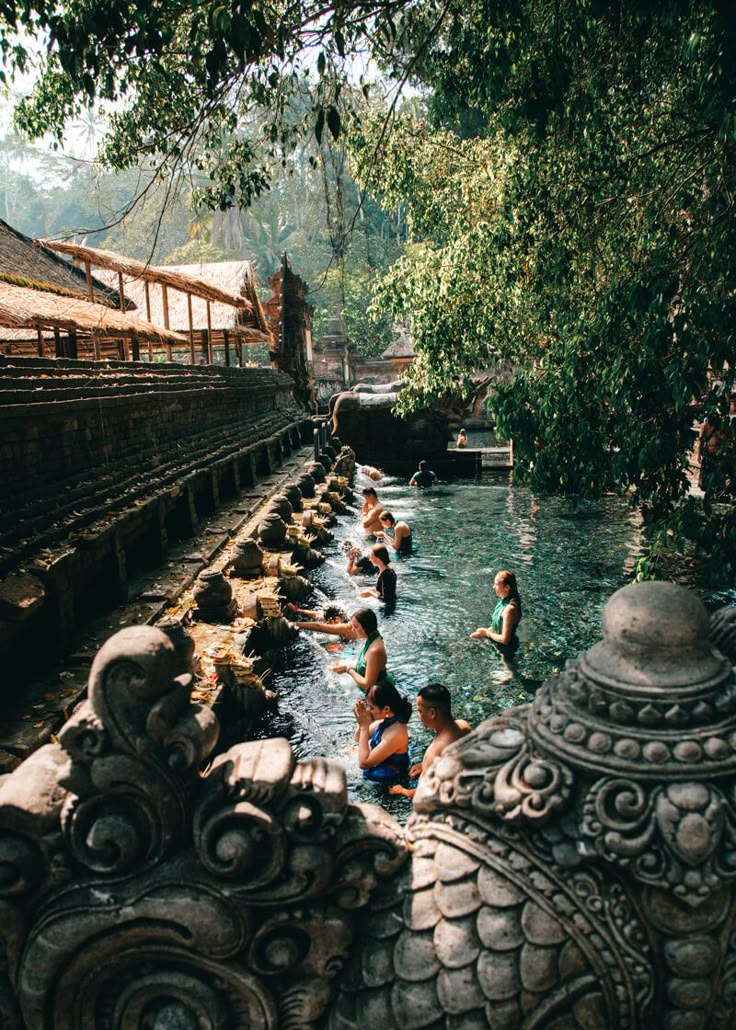
During the ritual, a priest or a local temple caretaker will guide participants through a series of actions: washing the face, cleansing the mouth, submerging the head, and finally, allowing the water to cascade over the entire body.
Each step is accompanied by whispered mantras, invoking blessings and inviting spiritual guardians to assist in the cleansing process. The rhythm of dripping water, combined with the scent of incense and the echo of ancient prayers, creates an atmosphere of serene surrender.
Sacred Locations for Melukat in Bali
Tirta Empul: The Temple of Holy Springs
Arguably the most iconic place to experience Melukat, Tirta Empul, located in Tampaksiring, draws both locals and globe-trotters. The temple’s sacred pools are fed by crystal-clear springs, believed to be created by the god Indra himself. Bathers move from one spout to another in a specific order, symbolizing progressive purification.
Pura Sebatu: Serenity in the Jungle
Less crowded and deeply tranquil, Pura Sebatu offers a more intimate Melukat experience. Hidden amidst lush foliage and flanked by moss-covered statues, this temple feels like stepping into an ancient, untouched world. The water here is said to possess potent healing energies, especially for emotional afflictions.
Goa Gajah and Other Hidden Sanctuaries
Goa Gajah, or the “Elephant Cave,” is another spiritually charged site where Melukat is practiced. The cave’s mysterious carvings and serene bathing pools set a meditative tone for the ritual. Beyond the tourist circuit, Bali is dotted with countless lesser-known springs where locals perform their private purifications, often at dawn or dusk, away from modern distractions.
For travelers seeking to explore Bali’s sacred temples and Melukat locations comfortably, arranging a Bali private van hire is a practical and flexible choice. Hiring a private van allows you to travel at your own pace, visit remote purification sites, and experience the island beyond the typical tourist trail — all while enjoying the comfort of air-conditioning and a knowledgeable local driver who can share hidden gems along the way.
The Deeper Purpose: Spiritual and Emotional Renewal
Melukat isn’t merely about washing the body — it’s an invitation to unburden the heart. Balinese culture teaches that emotions, especially negative ones, don’t simply evaporate with time. Instead, they linger, affecting personal energy and even health.
By stepping under the temple spouts, participants metaphorically surrender their worries, regrets, and self-doubt. The water becomes a gentle yet powerful medium, dissolving the heaviness that can’t be seen but is deeply felt.
Emerging from a Melukat ceremony often leaves one feeling lighter, both in body and mind — as though the soul itself has been wrung out and left sunlit and fresh.
Modern Relevance of Melukat
In a world that rarely slows down, Melukat offers a rare pause — a moment to recalibrate the self amid life’s cacophony. For Balinese locals, it remains a cornerstone of spiritual upkeep, performed during specific holy days, after personal hardship, or to prepare for new beginnings.
For visitors, the ritual is both a cultural immersion and a deeply personal experience. It’s not uncommon for travelers to approach Melukat as part of a self-care journey, seeking clarity, peace, or simply the grounding sensation of connecting to something larger than oneself.
Melukat transcends age, nationality, and belief systems. It is an ancient whisper in modern ears — reminding anyone who listens that true cleansing begins within.