Bali’s Aroma-Infused Secret
In the sun-drenched hills and lush valleys of Bali, an unspoken magic is brewing—literally. While the island’s beaches and temples steal the spotlight, another story unfolds quietly in its highlands: the story of coffee. Aromatic, earthy, and steeped in heritage, Bali’s coffee culture is a sensory journey that blends centuries-old tradition with the soul of the island.
The Roots of Coffee in Bali
The Colonial Legacy and Arabica Beginnings
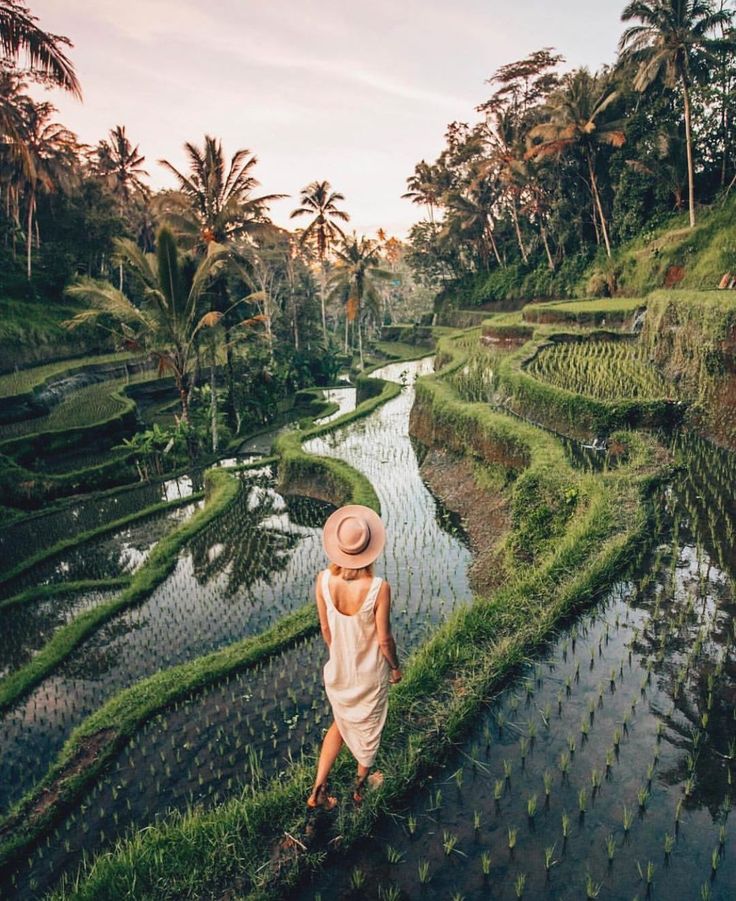
Bali’s coffee heritage dates back to the Dutch colonial era in the 1800s, when Arabica beans were first introduced. Nestled in the archipelago’s fertile lands, Bali’s volcanic soil and high altitudes formed an ideal terroir for coffee cultivation. The Balinese, with their innate harmony between man, nature, and spirit, integrated coffee farming into their subak system—a traditional irrigation method recognized by UNESCO. This harmonious integration gave rise not just to sustainable cultivation, but a deeper cultural resonance around coffee itself.
The Heartlands: Coffee Regions of Bali
Kintamani Highlands: Volcanic Richness in Every Sip
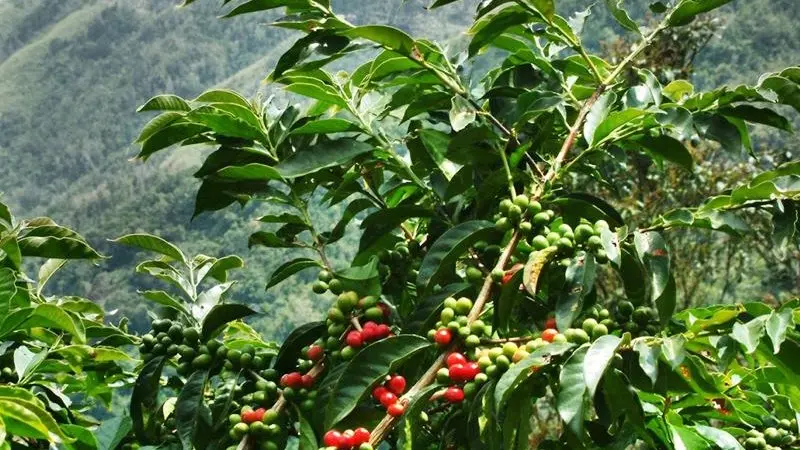
The Kintamani region, perched between Mount Batur and Mount Abang, is considered the coffee crown jewel of Bali. The combination of volcanic soil, ample rainfall, and elevation above 1,000 meters creates a microclimate perfect for growing Arabica beans. What you taste is not just coffee, but the essence of lava-fed earth—bright acidity, hints of citrus, and a clean, crisp finish.
Munduk: Misty Hills and Hidden Plantations
Nestled in the northern reaches, Munduk is an enchanting village blanketed by fog and mystery. Coffee plantations thrive on its slopes, often overlooked by mainstream tourism. Here, age-old techniques still reign. You’ll see beans dried under the sun on woven bamboo mats, and elderly farmers with leathery hands expertly sorting each batch. A visit feels more like a passage through time.
The Agrotourism Experience
Farm-to-Cup: Walking Through the Plantation Trails
Bali’s coffee agrotourism invites visitors to go beyond sipping and into the soil itself. Plantation tours allow guests to walk among coffee trees, observe blossoming flowers that smell like jasmine, and understand the delicate hand-picking process. This tactile journey transforms drinking coffee into a soulful ritual, a celebration of nature’s rhythm and human patience.
Traditional Roasting and Balinese Brewing Techniques
Roasting in Bali is an art of patience and intuition. Often done over open fire using clay pots, the beans are stirred by hand until they crackle with readiness. The brewing, too, is distinct. The Balinese style of brewing—unfiltered and poured straight into a glass—offers a raw, full-bodied experience. It’s not just about the caffeine hit, but a reconnection to simplicity.
Kopi Luwak: Between Luxury and Controversy
Understanding the Process and Ethics
Perhaps the most controversial figure in Bali’s coffee scene is kopi luwak—coffee made from beans that have passed through the digestive system of the civet cat. While once revered for its smooth profile and exotic process, concerns about animal welfare have cast a shadow. Ethical producers are shifting to wild-sourced beans, where civets roam freely, foraging at will. As travelers, choosing responsibly sourced kopi luwak can support both tradition and compassion.
Savoring the Experience
Coffee Tastings: Palate Adventures Beyond Espresso
Tasting sessions in Bali are immersive. You may be offered a flight of ten to fifteen brews—ginger coffee, ginseng blends, coconut-infused creations, and even the famed Bali vanilla coffee. Each cup dances differently on the tongue, revealing the region’s biodiversity in every sip. You don’t just drink coffee here—you explore it.
Culinary Pairings: Local Treats with Your Brew
No Balinese coffee tasting is complete without traditional bites. Picture this: a warm cup of Kintamani coffee paired with klepon—sweet glutinous rice balls filled with palm sugar, or dadar gulung, pandan crepes with coconut. These thoughtful pairings elevate the experience, making it an intimate cultural encounter.
Exploring remote plantations or hopping between hidden cafes is best done with convenience and comfort. Hiring a Bali private van ensures you travel off the beaten path with ease, especially if you’re venturing into the highlands or lesser-known estates. It’s perfect for small groups or coffee-loving couples looking to chase flavors across the island.
Sustainable Practices and Local Impact
Empowering Farmers and Embracing Eco-Friendly Cultivation
Bali’s coffee agrotourism isn’t just a treat for the senses—it’s also a movement. Many local cooperatives are turning toward organic practices, permaculture farming, and fair-trade principles. Visiting these plantations and supporting their products directly contributes to farmer welfare and sustainable land use. It’s tourism with a conscience.
A Cultural Brew That Transcends Taste
Bali’s coffee isn’t merely a beverage—it’s a reflection of its people, land, and legacy. Each sip offers a dialogue between ancient methods and evolving ethics, between nature’s bounty and human craftsmanship. For those seeking more than a caffeine fix, Bali’s coffee agrotourism promises a journey deep into the island’s aromatic heart.