1. Introduction
The Allure of Bali’s Green Heart
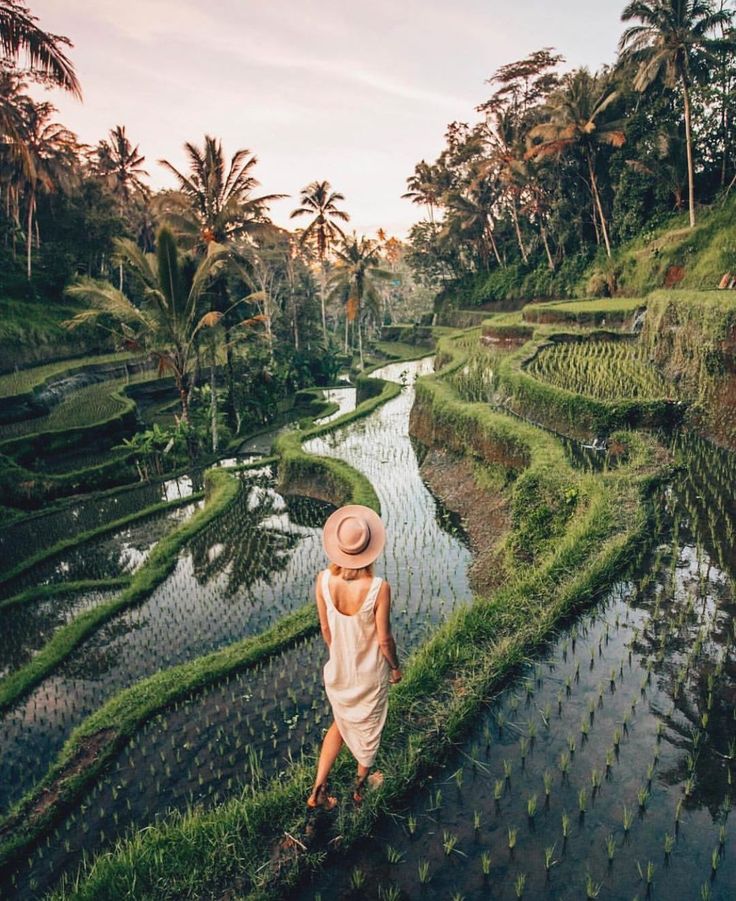
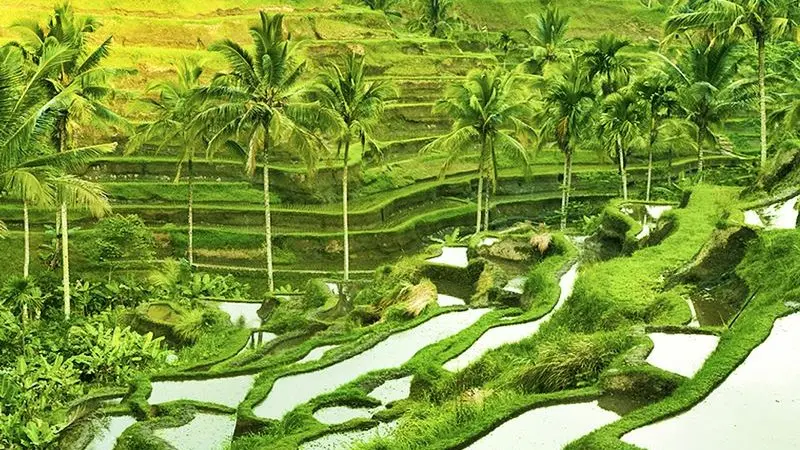
Nestled in the highlands of Ubud, the Tegalalang Rice Terrace unfolds like a living canvas—verdant, rhythmic, and utterly mesmerizing. It is the emerald crown of Bali, drawing wanderers and seekers of serenity from around the world. The view is not just a feast for the eyes; it’s a whisper from the soul of the island.
Why Tegalalang Captivates Travelers
More than just an Instagrammable locale, Tegalalang is a symphony of heritage, sustainability, and breathtaking design. The terraces are not merely beautiful—they are deeply purposeful. Travelers come for the aesthetic, but often leave with a newfound reverence for Balinese culture.
2. The History Behind the Layers
Subak: The Ancient Balinese Irrigation System
Tegalalang is a prime example of the subak system—a 1,000-year-old cooperative irrigation method recognized by UNESCO as a cultural heritage of humanity. Developed by Balinese priests, this ingenious system reflects the island’s tri hita karana philosophy, which emphasizes harmony between humans, nature, and the divine.
The intricate water channels are not just infrastructure; they are spiritual lifelines. They reflect the communal nature of Balinese society, where cooperation outweighs competition.
Cultural Significance of Rice Farming in Bali
In Bali, rice is more than a staple—it’s a sacred gift. Each grain is a manifestation of Dewi Sri, the goddess of rice and fertility. Ceremonies are conducted at various stages of planting and harvesting, turning the agricultural calendar into a spiritual journey. To walk among these terraces is to step through pages of a living tradition.
3. Planning Your Visit
Best Time to Visit for Lush Views
For a sea of emerald as far as the eye can see, visit during the growing season—between March and July, or again from October to November. Early morning or late afternoon offers the most magical light and the fewest crowds. Sunrise, especially, casts an ethereal glow over the dew-kissed fields.
How to Get There from Ubud and Beyond
Tegalalang lies about 20 minutes north of Ubud by scooter or car. The journey itself is a delight, passing through sleepy villages and forested hills. If you’re staying elsewhere on the island, hire a driver or join a guided tour—many include stops at coffee plantations and temples en route.
For those who prefer ease, comfort, and flexibility, Bali private van hire is a convenient way to explore Tegalalang and surrounding attractions at your own pace. With experienced local drivers, air-conditioned vehicles, and customizable itineraries, it’s an ideal option for families, groups, or travelers who want to sit back and soak in the island’s beauty without the stress of navigating. Whether you’re heading to the rice terraces, waterfalls, or hidden gems, a private van service ensures a seamless and memorable journey.
4. What to Expect at Tegalalang
The Majestic Landscape and Walking Trails
As you arrive, the terraces stretch out before you like a stairway to heaven, carved meticulously into the hillside. Meandering footpaths allow you to explore the layers up close. It’s not just a viewpoint—it’s an invitation to wander. Some sections are steep and uneven, so wear sturdy shoes and take your time.
Iconic Bali Swings and Instagram Spots
Scattered along the rim of the terraces are the now-famous Bali swings—some heart-pounding, others serene. While undeniably touristy, they offer a playful way to capture the landscape from dramatic angles. Nearby, you’ll also find handcrafted bamboo nests and sky-high lookouts, perfect for that dreamy travel photo.
5. Beyond the View: Engaging with Local Culture
Interacting with Farmers and Local Artisans
Tegalalang is not a museum—it’s a living, breathing agricultural site. Many farmers are happy to share a smile, a wave, or even a chat if you approach respectfully. Along the road, stalls brim with wood carvings, paintings, and textiles—reminders of Ubud’s vibrant artistic legacy.
Sampling Traditional Cuisine in Nearby Warungs
After a trek through the fields, stop by a local warung (family-run eatery) for a taste of Bali on a plate. Nasi campur, satay lilit, or a chilled coconut can refresh both palate and spirit. These humble places often serve food cooked with ancestral techniques and homegrown ingredients.
6. Tips for a Meaningful Experience
Responsible Tourism and Etiquette
Tread gently. The terraces are the livelihoods of local families, not just a backdrop for selfies. Stick to designated paths, avoid trampling crops, and consider offering a small donation at the entrance—it supports maintenance and community projects.
Dress modestly, especially if combining your visit with nearby temples. Always greet with a smile and a soft “om swastiastu” to show respect for local customs.
What to Pack and Prepare
Bring sunscreen, water, and a hat—the sun can be intense. Bug repellent is handy, and a lightweight poncho can save the day during sudden rain showers. A bit of cash is useful for entrance fees and souvenirs, as card payments aren’t always accepted.
7. Nearby Attractions Worth Exploring
Coffee Plantations and Hidden Waterfalls
Just a short drive away are aromatic coffee plantations where you can sample the famed kopi luwak or Bali’s own herbal brews. Venture a little further and you’ll stumble upon secret waterfalls like Tukad Cepung or Tibumana—less crowded and deeply refreshing.
Art Markets and Spiritual Temples
On your way back to Ubud, stop by the Tegallalang Handicraft Center for authentic souvenirs. Or pause at the Pura Gunung Kawi Sebatu, a tranquil water temple nestled in the forest—an oasis of silence and spirituality that contrasts beautifully with the buzz of the terraces.
Tegalalang is more than a postcard scene—it’s a multilayered experience of nature, heritage, and heart. Whether you’re seeking a quiet moment among the paddies or a vibrant interaction with local life, these terraced fields invite you into a deeper understanding of Bali’s spirit.