Introduction
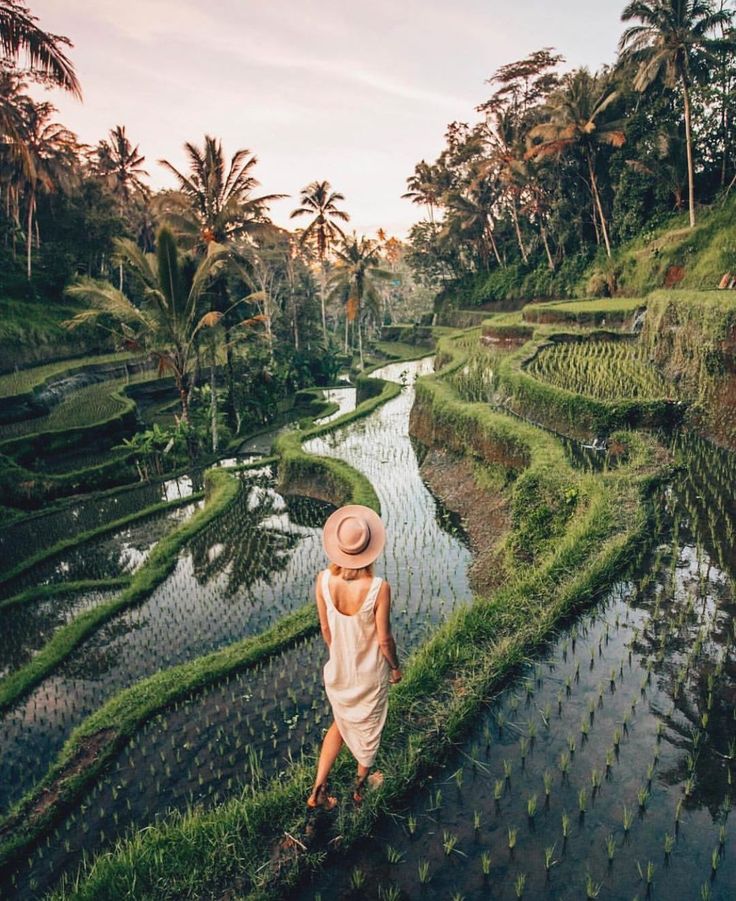
Tucked in the lush highlands of Bali, Tegalalang Rice Terrace is a mesmerizing masterpiece of nature and human ingenuity. This cascading expanse of emerald-green rice paddies, sculpted into the hillsides, has captivated travelers for decades. Beyond its photogenic allure, Tegalalang embodies the island’s deep-rooted agrarian heritage. Visitors seeking tranquility, culture, and breathtaking vistas will find this verdant wonderland an essential stop on their Balinese adventure.
The History and Cultural Significance
Tegalalang’s terraced fields trace their origins to ancient Balinese agricultural traditions. For centuries, local farmers have meticulously maintained these rice paddies using the Subak system—an intricate irrigation method established over a thousand years ago. Recognized by UNESCO as part of Bali’s cultural landscape, Subak is more than just a means of water management; it is a spiritual practice deeply entwined with the Balinese Hindu philosophy of Tri Hita Karana, which emphasizes harmony between humans, nature, and the divine.
Best Time to Visit
The landscape of Tegalalang transforms with the seasons, making timing an important factor for visitors. The most visually stunning period is during the planting and early growing stages, typically between March and September, when the paddies are lush and vibrantly green. For a more golden hue, visiting between October and February allows one to witness the ripening rice fields before harvest. The best hours to explore are early morning (before 9 AM) or late afternoon to avoid the midday crowds and intense heat.
Things to Do at Tegalalang Rice Terrace
Wandering through the terraces on foot provides a deeply immersive experience. Stone-paved paths weave through the stepped fields, allowing visitors to admire the intricate irrigation channels and witness farmers tending to their crops.
For adrenaline seekers, the iconic Bali swing, perched over the terraces, offers a thrilling perspective of the landscape. The gentle sway against the backdrop of rolling hills creates an unforgettable moment for adventure lovers.
Scenic cafes dot the outskirts of the terraces, offering a place to relax with a cup of Balinese coffee while overlooking the panoramic beauty. Many of these cafés are designed with open-air platforms, making them perfect for soaking in the serenity.
How to Get There
Situated about 20 minutes north of Ubud, Tegalalang is easily accessible by scooter, private car, or guided tour. Rental scooters provide the most flexible way to explore at one’s own pace, but those unfamiliar with Bali’s roads may prefer hiring a driver. Parking is available near the main entrance, and visitors should be prepared for a small entrance fee, often collected by local farmers maintaining the paths.
For those who prefer a comfortable and hassle-free journey, Bali private van hire is an excellent option. A private van allows travelers to enjoy a smooth ride while taking in the scenic countryside without worrying about navigation. It’s an ideal choice for families, groups, or those looking for a more personalized experience when exploring Bali’s most beautiful landscapes.
Photography Tips for Stunning Shots
Capturing the essence of Tegalalang requires an understanding of light and perspective. The golden hour—shortly after sunrise or before sunset—offers soft, ethereal lighting that enhances the contours of the terraces. A wide-angle lens works best for showcasing the vastness of the landscape, while a low-angle shot can accentuate the dramatic layering of the fields. For a more dynamic composition, including a local farmer in traditional attire adds an authentic touch.
Nearby Attractions Worth Visiting
A trip to Tegalalang pairs well with other cultural gems in the vicinity. Tirta Empul Temple, famous for its sacred purification pools, lies just a short drive away. Here, visitors can partake in a traditional Balinese water blessing ritual.
For those interested in art and craftsmanship, Ubud’s surrounding artisan villages—such as Mas (woodcarving), Celuk (silver jewelry), and Batuan (traditional painting)—offer a glimpse into Bali’s rich creative heritage.
Sustainable Tourism and Respecting Local Culture
As one of Bali’s most visited attractions, Tegalalang faces challenges in balancing tourism and environmental preservation. Travelers can contribute positively by supporting local businesses, purchasing from farmers who allow access to their terraces, and choosing eco-friendly tour operators.
Respect for the landscape is paramount. Visitors should stick to designated paths, avoid picking rice plants, and engage with locals respectfully. By embracing a mindful approach, travelers help ensure that Tegalalang remains a thriving, picturesque landmark for generations to come.