Introduction
Perched high above the lush forests of East Bali, Lempuyang Temple stands as a revered sanctuary of spiritual devotion. Known locally as Pura Lempuyang Luhur, this ancient temple is more than just an architectural marvel—it is a beacon of faith, history, and cultural identity. For centuries, pilgrims have ascended its sacred steps in search of enlightenment and divine blessings, drawn to the temple’s ethereal ambiance and breathtaking mountain vistas.
The Significance of Lempuyang Temple
Lempuyang Temple is one of Bali’s Sad Kahyangan, or the six holiest temples, which are believed to protect the island from malevolent forces. It is dedicated to Ida Sang Hyang Widhi Wasa in his manifestation as Hyang Gni Jaya, the deity associated with fire and purification. As part of Bali’s spiritual axis, the temple embodies the principles of balance and cosmic harmony, forming an essential pillar of the island’s Hindu faith.
Beyond its religious importance, Lempuyang Temple serves as a site of pilgrimage for devotees seeking spiritual renewal. Climbing its steep paths is not merely a physical feat but a metaphor for overcoming worldly obstacles in the pursuit of higher wisdom.
The Journey to Lempuyang
Reaching Lempuyang Temple is an experience in itself, demanding both stamina and reverence. The ascent begins through a verdant pathway lined with towering trees and ancient stone carvings. For those who choose the traditional route, a daunting 1,700-step staircase winds its way up the mist-laden hillside, each step symbolizing a deeper connection with the divine.
However, for modern travelers, an alternative route allows vehicular access to the temple’s main gates, ensuring that even those with limited mobility can experience its splendor. Regardless of the path taken, the journey to Lempuyang is infused with an air of mysticism, as if time slows in deference to the sacred energy that permeates the surroundings.
For those seeking a comfortable and hassle-free journey, opting for a Bali private van hire is an excellent choice. A private van with a local driver not only ensures a smooth ride to Lempuyang but also provides flexibility to explore other hidden gems in East Bali. Travelers can avoid the stress of navigation and parking while enjoying the scenic landscapes along the way, making the entire experience more relaxed and enjoyable.
The Iconic Gates of Heaven
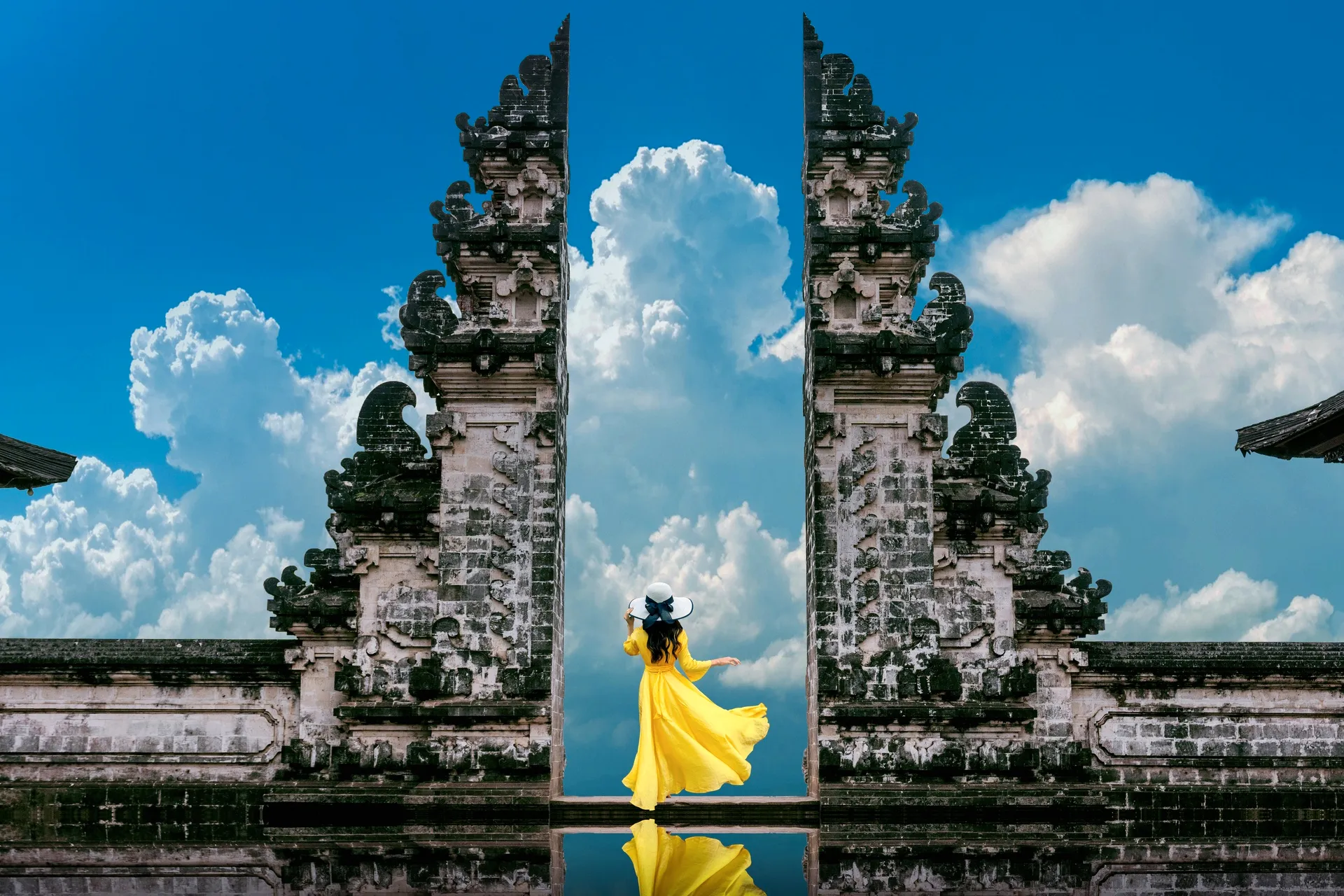
No mention of Lempuyang Temple is complete without acknowledging its world-renowned Candi Bentar—the split gateway famously known as the “Gates of Heaven.” This towering stone archway, perfectly framing the majestic silhouette of Mount Agung, has become an emblem of Bali’s ethereal beauty.
Steeped in spiritual symbolism, the Candi Bentar represents the threshold between the mortal world and the divine realm. While the reflective pool that appears in photographs is an illusion created by clever photography, the gateway itself remains an awe-inspiring sight, evoking a sense of transcendence.
The rise of social media has brought an influx of visitors seeking the perfect snapshot, transforming Lempuyang into one of Bali’s most Instagrammed landmarks. However, amidst the clicks of cameras, the temple’s sacred essence endures, reminding visitors that this is, first and foremost, a place of worship.
Spiritual Practices and Customs
Lempuyang Temple is an active religious site where prayers and ceremonies are performed regularly. Worshippers present canang sari, intricate offerings made of flowers, incense, and woven palm leaves, as a gesture of gratitude and devotion. The air is often thick with the scent of sandalwood incense, curling into the crisp mountain breeze.
Visitors must observe certain customs when entering the temple grounds. Proper attire is required—sarongs and sashes must be worn as a sign of respect. Silence is encouraged, as many devotees engage in meditative reflection. Additionally, women who are menstruating are traditionally advised not to enter, in accordance with Balinese Hindu customs regarding sacred purity.
The Breathtaking Views and Surroundings
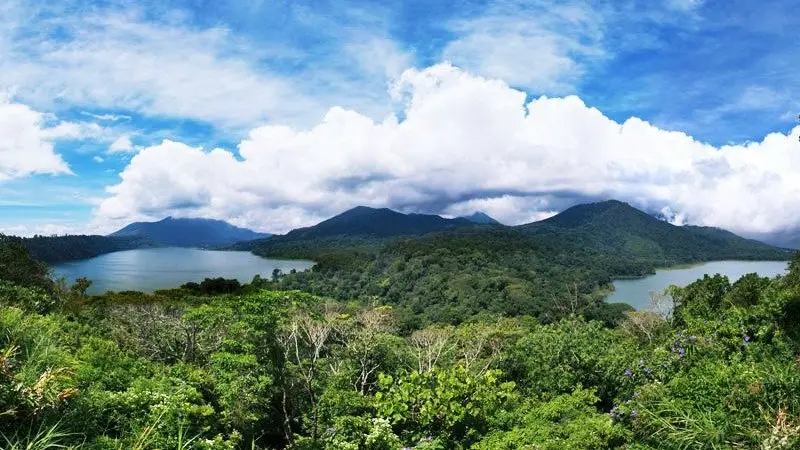
Nestled at an elevation of 1,175 meters above sea level, Lempuyang Temple offers some of the most breathtaking panoramas in Bali. On clear days, Mount Agung looms in the distance, its majestic peak shrouded in a celestial haze. The surrounding landscapes are a lush tapestry of emerald-green forests and rolling hills, painting an idyllic backdrop for spiritual contemplation.
The temple’s secluded location fosters a profound sense of tranquility, undisturbed by the bustle of urban life. Here, the rhythmic chants of priests blend with the whispers of the wind, creating an atmosphere imbued with both solemnity and serenity.
Practical Tips for Visitors
To fully appreciate the experience of Lempuyang Temple, timing is key. The early morning hours, just after sunrise, offer a serene ambiance with fewer crowds and a softer, golden light perfect for photography. Conversely, the late afternoon provides a dramatic interplay of shadows and light against the mountainous horizon.
A modest entrance fee is required for visitors, contributing to the temple’s upkeep. Sarongs and sashes are typically provided at the entrance, though bringing your own is always an option. Since the temple is a revered site, respectful behavior is essential—avoid loud conversations and be mindful of worshippers engaged in prayer.
Additionally, patience is necessary when visiting the Gates of Heaven, as long queues often form for those wishing to capture the famed reflection shot. While the photo opportunity is undeniably stunning, taking a moment to simply stand before the gateway, absorbing its sacred energy, is an experience in itself.
Conclusion
Lempuyang Temple is more than a destination; it is a profound spiritual journey woven into the heart of Bali’s cultural and religious tapestry. Whether one visits for its historical significance, breathtaking views, or celestial atmosphere, the temple leaves an indelible impression on all who tread its sacred grounds. It stands as a reminder that Bali’s soul is not only found in its sun-kissed beaches and verdant rice terraces but also in the quiet sanctuaries where the divine whispers through the mountain winds.