1. Introduction: The Highland Charm of Kintamani
Tucked away in Bali’s northeast, Kintamani whispers a different rhythm from the island’s sun-drenched beaches. Mist-laden mornings, crisp air, and the ever-imposing silhouette of Mount Batur give the region a mythical character. It’s a place where nature doesn’t just exist—it performs. Travelers come seeking quietude, panoramic marvels, and a side of Bali that feels almost untouched by the frenzy of the south. Here, time slows, and every view feels like a whispered secret from the earth itself.
2. Geography and Climate: Nature’s Elevated Canvas
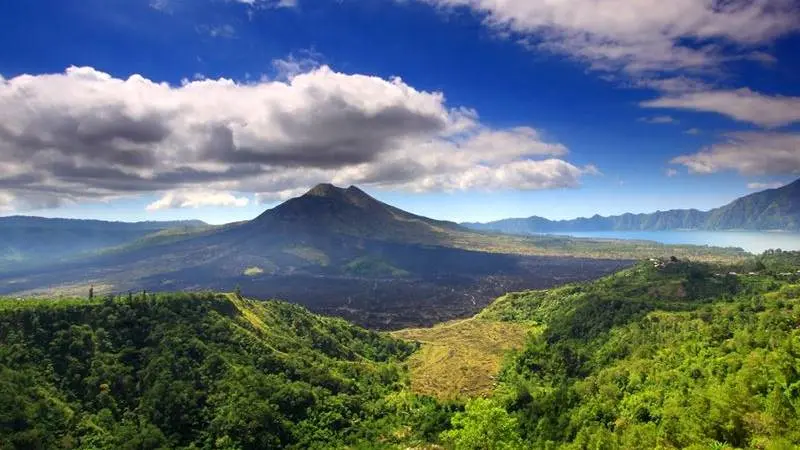
Perched approximately 1,500 meters above sea level, Kintamani is nestled within a massive caldera formed by an ancient volcanic eruption. The dramatic topography features a horseshoe-shaped rim enclosing Lake Batur, with the ever-watchful Mount Batur rising proudly at its heart. This elevation gifts Kintamani with a temperate climate—cooler than the coast, often enveloped in mist, and occasionally kissed by drizzle.
This crisp climate fosters a unique agricultural rhythm. Citrus trees, vegetables, and coffee flourish in the mineral-rich volcanic soil, painting the landscape in hues of green and gold. The atmosphere here is invigorating, refreshing the senses and encouraging introspection.
3. Mount Batur: Bali’s Sacred Volcano
Rising 1,717 meters above sea level, Mount Batur is not merely a mountain—it is a living spirit in Balinese cosmology. Adventurous souls ascend its slopes in the pre-dawn hush, eager to witness the sun stretch over the horizon, casting molten gold across the lake below. The sunrise trek is a rite of passage for many, a blend of physical challenge and spiritual reverence.
For the Balinese, Batur is one of the island’s most sacred sites. The Pura Ulun Danu Batur temple, dedicated to the goddess of lakes and rivers, rests near the caldera’s edge, serving as a spiritual anchor for the region. This intertwining of natural wonder and spiritual gravity makes every journey to Batur more than a hike—it becomes a pilgrimage.
4. Lake Batur and Its Surroundings
Cradled in the bowl of the caldera, Lake Batur glimmers with tranquil defiance, reflecting the skies and surrounding ridges like a natural mirror. The lake supports a constellation of fishing villages where life hums to an old-world tune. Canoes drift silently across the surface, fishermen casting nets with practiced grace.
One of the lake’s crown jewels is Pura Segara Ulun Danu Batur, a temple that appears to float on the water when the lake’s level rises. Its serene presence adds a mystical aura to an already enchanting setting. Time here feels elastic—slowing down enough for quiet conversations, spontaneous picnics, and moments of silent awe.
5. Cultural Riches and Villages to Explore
Beyond the postcard landscapes lie communities steeped in tradition. Trunyan Village, on the eastern edge of the lake, stands apart with its macabre yet fascinating funeral rites. Here, the deceased are laid out in bamboo cages under the shade of a fragrant banyan tree. Miraculously, no odor lingers—locals believe the “taru menyan” tree absorbs it. It’s an encounter with ancient customs that evoke both curiosity and reverence.
Meanwhile, villages like Penelokan offer sweeping caldera views and local handicrafts, while Toya Bungkah is famed for its hot springs—a perfect spot to soak weary muscles after a morning trek. These enclaves are not just stops on a map; they are living repositories of Balinese heritage.
6. Cuisine and Culinary Delights of the Highlands
Kintamani’s cooler climate and fertile soil produce ingredients with depth and character. Dining here introduces visitors to rustic flavors elevated by the highland touch. Hearty soups, grilled corn, and earthy root vegetables are staples in local warungs.
But it’s the coffee that steals the show. Kintamani Arabica beans, nurtured by volcanic soil and misty mornings, yield a brew that’s citrusy, floral, and bold. Sipping a fresh cup with views of the lake below is an experience that etches itself into memory.
7. Planning Your Visit: Tips and Travel Essentials
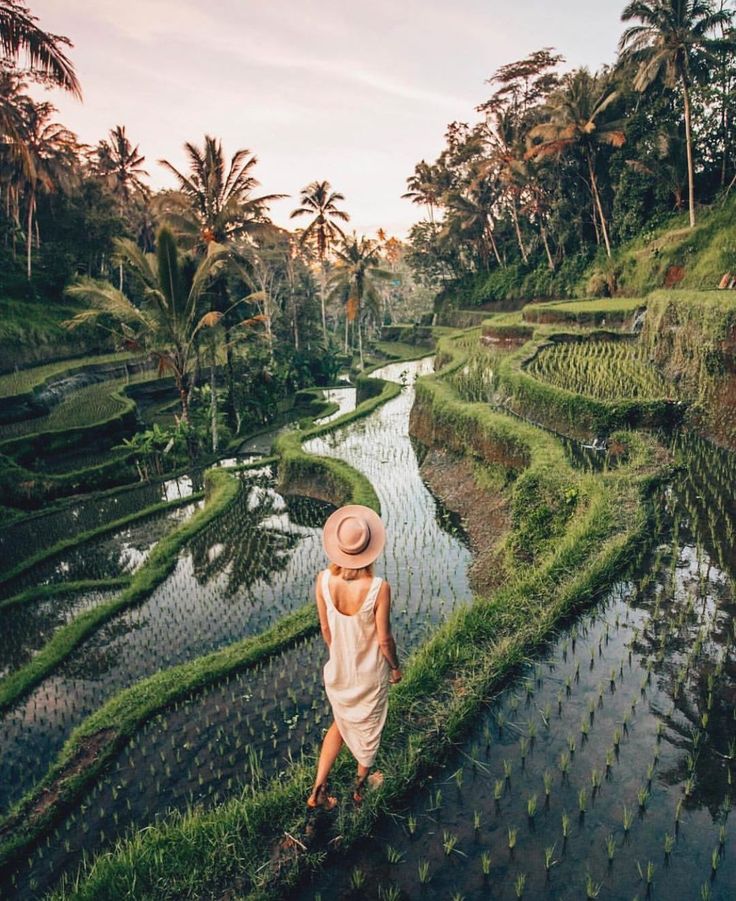
The best time to explore Kintamani is during the dry season—April through October—when the skies are clear, and the views unfurl in all their glory. From Ubud, it’s a scenic 1.5-hour drive through verdant rice fields and quaint villages.
For ease and comfort, especially when traveling with family or in small groups, consider using a Bali private van hire service. It allows you to explore at your own pace, stop at hidden spots, and enjoy the journey without the hassle of navigating unfamiliar roads. Many providers offer English-speaking drivers who double as local guides, adding depth and insight to your adventure.
Accommodations range from cozy guesthouses to eco-resorts perched on caldera rims. Choose stays that support local communities and prioritize sustainability—many offer guided treks and cultural experiences that deepen your connection with the land. Pack warm layers; evenings can get surprisingly chilly.
Kintamani isn’t just a destination—it’s a revelation. A highland haven where volcanic grandeur meets ancient tradition, where the air tastes different and the light feels sacred. For those willing to wander a little further, it offers Bali not as it is often sold, but as it has always been—quietly magnificent.