1. The Spirit of a Cultural Landmark
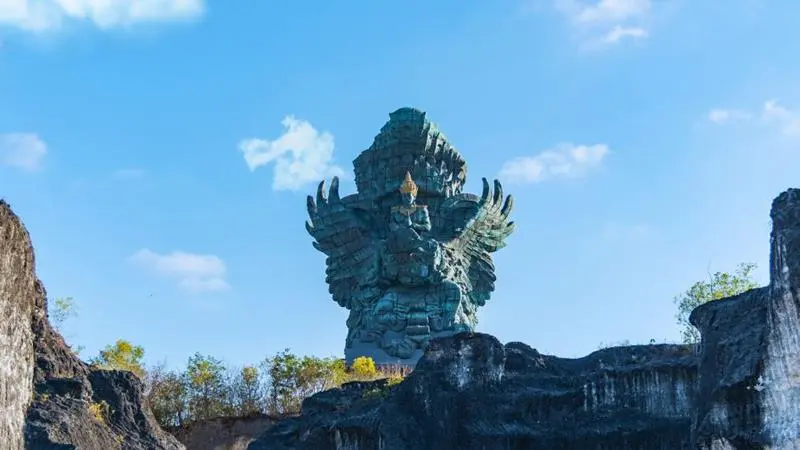
Towering above the Bukit Peninsula, Garuda Wisnu Kencana (GWK) Park is more than a tourist destination—it’s a symbol of spiritual pride and artistic ambition. With the massive Garuda and Wisnu statue watching over southern Bali, this cultural park weaves myth, creativity, and local tradition into a singular experience. It is where myth meets monument.
2. The Mythology Behind Garuda and Wisnu
Origins of the Legend
At the heart of GWK lies the profound tale of Garuda and Lord Wisnu, drawn from ancient Hindu scriptures. Garuda, a colossal bird-like creature, is known as the eternal mount of Lord Wisnu, the preserver of the universe. This divine alliance embodies loyalty, courage, and righteousness.
Symbolism in Balinese Hinduism
In Balinese belief systems, Garuda represents freedom and protection, while Wisnu brings balance to chaos. Their depiction in GWK isn’t mere storytelling—it’s an emblem of Bali’s philosophical soul. Together, they manifest as protectors of cosmic order, a role echoed in many temple narratives across the island.
3. Architectural Grandeur and the Making of a Monument
The Vision of Nyoman Nuarta
Conceived by Indonesia’s celebrated sculptor Nyoman Nuarta, the Garuda Wisnu Kencana statue stands at a staggering 121 meters tall, surpassing even the Statue of Liberty. It’s a fusion of contemporary design and ancient symbolism—crafted to inspire reverence and awe.
Construction Challenges and Triumph
The creation of the statue was not without obstacles. Spanning over 28 years from conception to completion, it faced technical, financial, and political hurdles. Yet, through perseverance and national support, the statue was finally inaugurated in 2018, becoming one of the tallest monumental sculptures in the world.
4. Exploring the Expansive Park Grounds
The Plaza Garuda and Wisnu Plaza
The park sprawls across 60 hectares, housing multiple cultural and historical zones. Wisnu Plaza, located at the highest point, offers visitors a close encounter with the towering Wisnu figure. Nearby, Plaza Garuda features the majestic head of Garuda, giving a dramatic perspective of the mythical bird.
Street Theatre and Cultural Performances
As you wander through stone-paved paths, you’ll come upon open-air amphitheaters where Balinese culture comes alive. Traditional dance dramas, shadow puppetry, and fire rituals are staged regularly, bringing ancient stories into the daylight for everyone to witness.
5. Art, Culture, and Ceremonies in Motion
Daily Shows and Balinese Dance
GWK Park is an evolving theatre of art. Each day features rotating performances—from the vibrant Barong dance to the elegant Legong. Accompanied by the hypnotic sounds of gamelan, these dances speak volumes through movement, expression, and ornate costume.
Festivals and Temple Rituals
The park is also home to spiritual gatherings. During major Balinese festivals like Galungan or Kuningan, the grounds are adorned with penjors and vibrant offerings. Temple ceremonies and prayers are conducted in harmony with nature, preserving the sanctity of the space.
6. A Journey Beyond the Statue
Panoramic Views and Photo Moments
Perched atop a limestone hill, the park offers sweeping vistas of Bali’s southern coast. Visitors can marvel at panoramic views from the edge of the plaza—especially breathtaking at sunset. It’s a favorite spot for couples, photographers, and dreamers alike.
Culinary Stops and Artisan Markets
No cultural journey is complete without a taste of local flavor. GWK’s food court and restaurants serve traditional Balinese dishes alongside Indonesian fusion cuisine. Nearby, artisan stalls offer handmade crafts, batik, and silver jewelry—a haven for conscious collectors.
In between exploring these cultural corners, consider the ease of traveling around the island. Opting for a Bali private van hire gives you the comfort of personalized itineraries, air-conditioned travel, and the flexibility to stop at hidden gems along the way. It’s the perfect companion to a full-day visit at GWK and other nearby attractions like Uluwatu Temple or Pandawa Beach.
7. Planning Your Visit and Getting There
Best Time to Explore
GWK Park is open year-round, but mornings and late afternoons offer the most pleasant climate. Arriving early means you can explore the park before the sun intensifies, and staying late lets you witness sunset performances beneath the statue’s golden hue.
Bali Private Van Hire: Comfort and Convenience
While public transport options to GWK are limited, private transport services provide a hassle-free solution. Booking a private van with a local driver not only ensures comfort but also enhances your cultural immersion. Drivers often act as informal guides, sharing stories and tips you won’t find in brochures.
8. Conclusion: A Testament to Bali’s Living Heritage
Garuda Wisnu Kencana Park is more than a place—it’s a celebration of spirit, resilience, and reverence for the divine. Through sculpture, performance, and myth, it tells the story of a culture that continues to inspire awe in its expression of beauty and belief. For those seeking to understand the essence of Bali, GWK is a pilgrimage worth making.